
A child’s earliest experiences with education have a profound and lasting influence on who they become. The early years are not simply a preparation phase for primary school. They represent a critical period where children begin to develop confidence, independence, emotional awareness, and a natural curiosity about the world around them. These foundational qualities influence how children approach learning, relationships, and challenges throughout their lives.
During early childhood, the brain is developing at an exceptional pace. Every interaction, activity, and experience contributes to shaping neural pathways that support thinking, communication, and emotional regulation. This is why the quality of a child’s early years environment is so important. A nurturing and stimulating setting helps ensure children develop strong foundations that support both academic success and personal wellbeing.
The Importance of Feeling Safe and Supported
Children thrive in environments where they feel secure and valued. When children feel emotionally safe, they are more willing to explore new ideas, interact with others, and express themselves. This sense of security builds trust, which is essential for healthy development.
Educators play a key role in creating this supportive atmosphere. By providing encouragement, patience, and understanding, they help children feel confident in their abilities. Positive reinforcement helps children develop a healthy sense of self worth, which encourages them to try new things and embrace learning.
A supportive early years environment also helps reduce anxiety and builds emotional resilience. Children learn that it is safe to make mistakes and that challenges are part of the learning process.
Learning Through Exploration and Play
Play is the natural language of childhood. It is through play that children explore ideas, develop creativity, and build essential life skills. Play based learning allows children to experiment, imagine, and solve problems in a way that feels enjoyable and engaging.
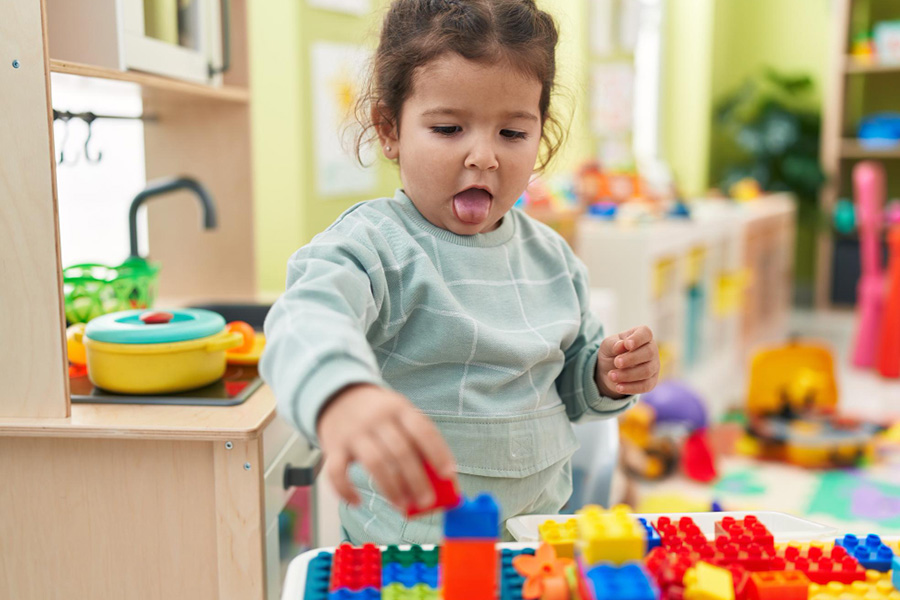
Whether building structures, engaging in imaginative role play, or participating in group activities, children are constantly learning. These experiences help develop cognitive abilities, communication skills, and emotional understanding.
Outdoor play is especially valuable. Exposure to nature encourages curiosity, physical development, and emotional balance. It also helps children develop independence and confidence as they explore their surroundings.
Environments such as Knightsbridge Kindergarten focus on providing opportunities for children to learn through exploration while ensuring they feel supported and encouraged. This balance helps children develop both academically and emotionally.
Developing Independence and Responsibility
Independence is an essential life skill that begins developing in early childhood. When children are given opportunities to make choices and complete tasks on their own, they develop confidence in their abilities.
Simple daily routines such as tidying up, choosing activities, and participating in group tasks help children learn responsibility. These experiences teach children that their actions have meaning and that they are capable of contributing to their environment.
Educators support this development by encouraging children while allowing them to learn through experience. This approach helps children develop self belief and prepares them for the expectations of school and life.
Strengthening Communication and Social Skills
Early education provides children with valuable opportunities to interact with others. Through conversation, storytelling, and group activities, children develop communication skills that are essential for future success.
These interactions help children learn how to express themselves clearly and understand others. They also learn important social skills such as sharing, cooperation, and empathy.
Developing strong communication skills at an early age helps children build meaningful relationships and engage confidently in new environments.
Encouraging Emotional Growth and Resilience
Emotional development is a key part of early education. Children learn to recognise their feelings, manage emotions, and respond appropriately to different situations. These skills help children develop resilience and emotional intelligence.
When children understand their emotions, they are better able to cope with challenges and adapt to change. This emotional strength supports both academic achievement and personal wellbeing.
Educators help children navigate emotional development by providing guidance, reassurance, and positive role modelling.
Creating a Strong Foundation for Lifelong Success
The early years are about far more than academic preparation. They are about helping children develop confidence, independence, and a love of learning. These qualities influence how children approach education and life as a whole.
A nurturing early years environment helps children develop the skills and mindset needed to succeed. It encourages curiosity, builds resilience, and supports emotional wellbeing.
By investing in high quality early education, parents are giving their children the strongest possible start. These early experiences create a foundation that supports lifelong learning, confidence, and personal growth.